Facial Rejuvenation After GLP-1 Weight Loss


Facial rejuvenation after GLP-1 weight loss can soften cheek hollows, restore selected areas of volume, and improve skin quality.
The important distinction is what has changed: fat loss, skin laxity, and surface texture each need a different response.
At Studio Essex at Heights Plastic Surgery in Houston, your evaluation considers your weight trajectory alongside facial structure, skin quality, and previous treatments. Some patients benefit from modest volume restoration. Others need time for their weight to settle or a surgical assessment before committing to injections. Fuller is not automatically better, especially when loose skin is the main concern.

Facial Rejuvenation After GLP-1 Weight Loss, also known as: Ozempic face treatment \ FAY-shuhl ree-JOO-vuh-NAY-shun
Aesthetic treatments designed to address facial volume loss, skin laxity, and changes in facial contours that may occur following significant weight loss with GLP-1 medications. Treatments aim to restore lost volume, improve skin firmness, and create a more refreshed, youthful appearance.
Procedure options: Dermal Fillers, Fat Grafting, Facelift, Neck Lift, Skin Tightening Treatments
Addresses Facial hollowing, fine lines, skin texture changes, and selected laxity concerns after weight loss
Procedure Time Often 30–60 minutes for individual nonsurgical appointments; varies by treatment
Eligibility Adults with appropriate anatomy after medical assessment; weight stability and nutritional health influence timing
Possible Side Effects Treatment-dependent swelling, bruising, tenderness, redness, or peeling; additional risks discussed before treatment
Facial rejuvenation after GLP-1 weight loss uses selected aesthetic treatments to address facial hollowing, laxity, and skin changes associated with substantial weight loss.
Options may include hyaluronic acid fillers, collagen-stimulating injectables, skin resurfacing, or surgery when tissue lifting is needed.
“Ozempic face” is an informal term, not a diagnosis. Similar changes can follow weight loss with other medications, bariatric surgery, or lifestyle changes.

An assessment separates areas that have lost volume from tissues that have descended. Common concerns include:
These concerns do not all respond to injections. Under-eye shadows, for example, may involve thin skin, puffiness, or cheek descent as well as volume loss.

Dermal fillers add gel-based volume in selected areas. Hyaluronic acid fillers can provide visible contour change at the appointment, although swelling initially affects the appearance. Product choice and placement depend on the area. Adding volume cannot remove redundant skin.
Sculptra contains poly-L-lactic acid and stimulates collagen production over time. Improvement develops gradually through a planned series. The temporary fullness immediately after an injection is not the finished result. Sculptra is not interchangeable with hyaluronic acid filler and cannot simply be dissolved in the same way.
Fractional CO2 laser resurfacing treats columns of skin to encourage renewal and collagen remodeling. It may improve fine lines, roughness, and selected sun damage. It does not replace lost facial fat. Skin tone, pigment history, and recovery tolerance influence whether resurfacing is appropriate.
Treatment can improve selected changes while preserving the features and facial movement you recognize.
Potential benefits include:
You may be a good candidate if you have fat in certain areas, firm skin, and a steady weight. It's important to be healthy, follow recovery instructions, and stop using nicotine if needed. Age by itself doesn't decide if this is right for you.
If you have a lot of loose skin, you might need an arm lift instead. Taking out fat when the skin can't tighten may make the looseness more noticeable. If you are still losing a lot of weight, have health issues, or take certain medicines, your doctor may suggest waiting or changing the plan.
Candidates have identifiable concerns, realistic expectations, and are in good health for treatment. Your provider reviews weight changes, including how much body weight has changed, nutrition, medications, prior filler, and how much laxity accompanies volume loss, since skin laxity can become more noticeable after losing about 15–20% of body weight.
The evaluation also considers whether muscle mass has declined during GLP-1 weight loss, as 20–40% of weight loss from these medications may come from muscle and facial deflation may reflect more than fat loss.
Ongoing rapid weight loss can make definitive correction difficult to judge. Poor nutrition, active skin infection, relevant allergies, or other medical concerns may require postponement. During a weight loss journey, facial anatomy can keep changing, and skin may continue to contract for 1–2 years after weight loss. Sculptra is unsuitable for patients prone to keloid or hypertrophic scarring. Elective injectables are generally deferred during pregnancy and breastfeeding.
Marked jowling or hanging skin may warrant surgery rather than increasing injectable volume. A consultation can begin during significant weight loss to plan post-weight-loss care, even if treatment waits.




Use our interactive virtual consultation tool to explore the plastic surgery procedures that might best fit your unique concerns.

During recovery, you may have swelling, bruising, soreness, and some changes in feeling. At first, your arms might feel tight or look uneven. Swelling early on can make it hard to see the changes right away.
Injectables may leave swelling, tenderness, or bruising for days and sometimes longer. Fractional CO2 resurfacing involves a more visible healing phase, often including redness, peeling, and roughly one to two weeks of social downtime, depending on treatment depth.
Your provider will specify when to resume exercise and makeup. Protect healing skin from sun exposure and use sunscreen as directed. After resurfacing, pause irritating skincare until cleared. Massage instructions vary by injectable, so follow your own protocol.
Increasing pain, unusual skin color changes, or signs of infection need prompt assessment. Vision changes after an injection require emergency care. Injectable risks include nodules and rare blood-vessel blockage. Resurfacing risks include pigment changes, burns, and scarring.
Same day: Hyaluronic acid filler changes contour, with swelling affecting the early appearance.
Around two weeks: Many injection-related changes have settled enough for reassessment, though patients notice changes on different timelines. Some swelling can last longer.
Over subsequent months: Collagen stimulation and resurfacing improvements develop gradually. As patients lose weight—sometimes 15–20% in months with GLP-1 medications—facial changes can keep evolving, so reassessment matters before final correction. Assess a treatment series after the recommended healing interval, not immediately after the final visit.

Hyaluronic acid filler may begin with one appointment and a follow-up assessment. Longevity varies by product and location.
Sculptra often involves around three appointments over several months, with results that can last up to two years, and many patients benefit from reassessment as results and weight stabilize. Neither is permanent.
Some patients have one resurfacing session; deeper concerns may need a series. Maintenance should follow reassessment rather than an automatic top-up schedule. Further weight loss or weight regain can change facial proportions and future treatment needs.
Facial fat transfer requires adequate donor fat and realistic expectations about retention, so planning with a board-certified plastic surgeon matters. Facelift surgery addresses descent that nonsurgical treatments cannot reliably correct. Weight stability and medical readiness matter particularly when planning surgery, and while nonsurgical treatment may help milder laxity, severe laxity may require surgical intervention for optimal results.
Main concern | Option to discuss | Important distinction |
|---|---|---|
| Localized volume loss | Injectable treatment | Adds volume; does not remove excess skin |
| Broader facial hollowing | Facial fat transfer | Uses your own fat and requires surgery |
| Significant tissue descent | Facelift or neck lift | Repositions tissue; may still need separate volume restoration |

Yes, when each treatment addresses a separate concern as part of a comprehensive approach. Volume restoration and resurfacing may be staged so swelling settles and skin heals between procedures, which can be especially useful for facial changes after significant weight loss. The order and spacing depend on the products, devices, and any surgery involved.
Pricing reflects the injectable product and quantity, number of visits, treatment areas, and resurfacing intensity.
Surgery adds its own surgeon, anesthesia, and facility costs. Ask for the initial treatment estimate and likely maintenance expenses separately.

Studio Essex is led by board-certified plastic surgeons Dr. Cara Downey and Dr. Jamal Bullocks. When facial rejuvenation needs to be coordinated with medical weight loss, the care team may review your medical history, complete a medical history review, and use lab work or body composition analysis from the weight-loss side of care, including body composition details when relevant. During consultation, you can discuss nonsurgical correction and whether an assessment for facial surgery would be useful.
Request a consultation in Houston to discuss what has changed, what can improve, and when treatment makes sense alongside your medical weight management plan.
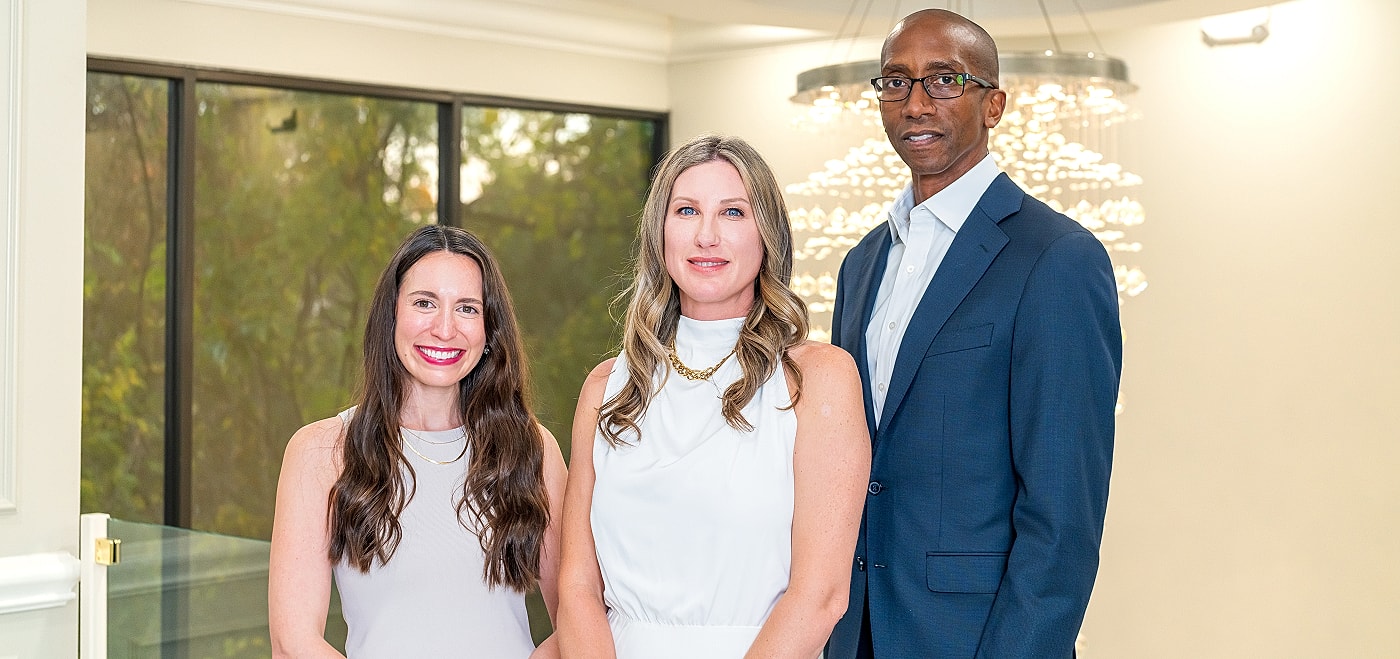
At Heights Plastic Surgery, we elevate your experience by bringing highly focused specialists together under one roof. Your aesthetic goals are guided by a team of board-certified plastic surgeons who have collectively published over 60 peer-reviewed medical papers and lectured around the world.
Board-certified plastic surgeon Dr. Cara Downey (who has been featured in Vogue) blends deep clinical knowledge with a vital female perspective to deliver elegant, beautifully natural-looking outcomes. Dr. Jamal Bullocks is a board-certified plastic surgeon and reconstructive surgery expert who pairs extensive research with international leadership, bringing absolute precision to every procedure. Dr. Megan Swonke is a fellowship-trained facial plastic surgeon and an ear, nose, and throat (ENT) specialist, whose unique background allows her to focus deeply on balance and harmony for the face and neck.
Our private, in-house surgery center offers the highest levels of safety, comfort, and privacy, and our comprehensive skin and wellness care ensures your aesthetic journey is entirely seamless. When you choose Heights Plastic Surgery, you are giving yourself the highest caliber of collaborative care from trusted experts who elevate beauty and empower confidence.


Do not stop it on your own. If sedation or surgery is planned, your prescriber and anesthesia team provide individualized instructions because these medications can delay stomach emptying.
An assessment can happen earlier, even before you reach your target weight. Most patients do better planning definitive correction after weight stabilizes, allowing for continued improvement and a more reliable assessment. There is no universal waiting period for every treatment.
Not predictably. Regaining weight may restore some facial fullness, but the distribution varies. Medication decisions should reflect your health needs.
No. Botox reduces selected muscle activity to soften expression lines. It does not replace facial fat or correct substantial skin laxity.
Skincare supports hydration, sun protection, and surface quality. It cannot reliably prevent or replace the deeper fat lost during weight reduction.
Not necessarily. Many patients do not need a large amount of filler; a small, selected correction may be appropriate, while substantial laxity may respond poorly to more volume. Your examination determines the recommendation, and treatment may be more conservative after significant weight loss because changes that reduce facial fat can make sagging skin more apparent.
Heights Plastic Surgery Membership Plans
When skin maintenance and aesthetics-inspired wellness protocols become part of your regular routine, your body stays nourished, collagen production stays active, and you feel refreshed, day in and day out. Our Heights Plastic Surgery membership offerings remove the guesswork of your next visit, making it easy to stay true to your plan while enjoying preferred pricing on treatments.
The Diamond Club membership includes one clinical treatment each month (such as a Hydrafacial, chemical peel, or IPL photofacial), plus an exclusive 10% discount on surgical cases and additional medical spa services.
The Essex Society membership provides a personalized approach to longevity, offering comprehensive baseline lab panels, monthly body composition tracking, complimentary wellness injections, and tiered savings on peptide regimens and medspa treatments.


Get in the know. Sign up to receive news and updates.