Buccal Fat Removal


Full cheeks lend softness to the face that can become more valuable with age.
Buccal fat removal is worth considering only when a specific pocket of cheek fat creates fullness that feels out of proportion with your features.
At Heights Plastic Surgery, your consultation comes before any recommendation for buccal fat removal in Houston. Your surgeon evaluates the source of fullness, existing facial volume, and how your face may change with age. If removing fat would leave you looking hollow or do little to address your concern, surgery may not be recommended.

Buccal Fat Removal, also known as: cheek reduction \ BUCK-uhl fat ree-MOO-vuhl
A cosmetic surgical procedure that removes excess fat from the buccal fat pads in the lower cheeks to create a slimmer facial appearance and more defined cheekbones and jawline.
Procedure options: Traditional Buccal Fat Removal, Partial Buccal Fat Removal
Addresses Persistent lower-cheek fullness caused by prominent buccal fat pads
Procedure Time Often approximately one hour when performed alone; timing varies
Eligibility Healthy adults at a stable weight, with suitable facial anatomy and realistic expectations; consultation required
Possible Side Effects Swelling, bruising, soreness, temporary numbness, and difficulty opening the mouth comfortably
Buccal fat removal is a facial contouring procedure that reduces a portion of the fat pad within each cheek through incisions inside the mouth, leaving no visible external scars.
In carefully selected patients, it can soften excessive lower-cheek fullness and make the underlying facial contours more apparent.
Buccal fat sits deeper than the fat immediately beneath the skin. Reducing it changes cheek volume; it does not reshape the cheekbones, tighten loose skin, or slim every part of the face. The amount removed matters because the change is permanent.

The procedure addresses persistent fullness in the lower cheeks when the buccal fat pads are responsible.
Some adults still notice chubby cheeks or a baby face despite maintaining a healthy weight, and buccal fat reduction can improve facial appearance when that fullness truly comes from the buccal fat pads.
Facial width can also reflect bone structure, chewing-muscle size, or fat in other compartments. Removing buccal fat will not correct those causes. It also does not treat a double chin or lift jowls. An examination helps distinguish these concerns before a surgical decision is made.
For a suitable candidate, this cosmetic procedure can selectively remove excess fat from the lower cheeks and bring the cheeks into better proportion with the rest of the face.
Potential benefits include:
The improvement may be subtle. The goal is facial harmony and a sculpted appearance, not a sharply hollowed look for every face.
Candidates for cheek reduction surgery or buccal fat pad removal generally have persistent cheek fullness attributable to buccal fat, stable weight, and realistic expectations. They should be in good overall health, able to follow nicotine restrictions, and allow time for oral-incision healing.
Your surgeon also considers cheekbone support, skin laxity, existing asymmetry, age, skin quality, facial structure, and facial proportions when deciding whether removal would preserve facial balance and overall facial harmony. Photographs can help clarify goals, but they cannot establish candidacy without an examination.
A narrow face, existing cheek hollows, or substantial age-related volume loss can make removal inappropriate. Younger adults whose facial shape is still changing also need particular caution.
Because faces often become leaner with age, removing volume today can leave hollowness more noticeable later. We may recommend preserving your cheek fat, postponing surgery, or discussing a different treatment.



The location and cause of your concern determine which option deserves consideration. Buccal fat removal can also be combined with selected facial surgeries when needed for better facial balance.
A mini facelift and facial fat transfer address very different anatomy. Neither should be added automatically to a cheek-reduction plan. In the right patient, chin augmentation may improve profile balance and make the cheeks look more sculpted. Rhinoplasty or facial fat grafting may also be paired with buccal fat removal when overall contour goals extend beyond lower-cheek fullness.
Concern | Procedure to discuss | What it changes |
|---|---|---|
| Fullness from prominent buccal fat | Buccal fat removal | Reduces deep cheek volume |
| Early jowling and lower-face laxity | Mini facelift | Repositions descended lower-face tissue and is often paired with buccal fat removal when laxity is also present |
| Hollow or depleted cheeks | Facial fat transfer | Adds volume where it is missing |
A medical check and some planning will help you get ready for recovery.
Report an active mouth infection or new illness before surgery rather than waiting until the appointment.

Use our interactive virtual consultation tool to explore the plastic surgery procedures that might best fit your unique concerns.

The buccal fat removal procedure, also called buccal lipectomy, is usually done on an outpatient basis.
Local anesthesia may be suitable when it is performed alone. Sedation or general anesthesia may be considered depending on your health and any combined surgery. Your anesthesia plan is confirmed beforehand.
Your surgeon makes a small incision inside each cheek, accesses the fat pad, and removes a measured portion. Careful judgment is important because overcorrection or undercorrection can occur. Nearby facial nerves and the salivary duct require careful protection. The incisions are then closed, commonly with dissolvable sutures that usually disappear within 10 to 14 days.
An isolated procedure often takes approximately an hour, although operative time varies. You receive instructions for mouth care, food, medication, and follow-up before going home.

During recovery, you may have swelling, bruising, soreness, and some changes in feeling. At first, your arms might feel tight or look uneven. Swelling early on can make it hard to see the changes right away.
Swelling is usually most noticeable in the first few days after buccal fat reduction surgery and can temporarily make your cheeks look fuller. Tenderness, bruising, and limited comfortable mouth opening are possible. Most patients should rest with the head elevated to help limit swelling. Follow the recommended soft-food diet for several days before advancing as tolerated while the incisions begin healing. Because the incision is inside the mouth, infection is a standard oral-cavity incision risk, so mouth-care instructions matter.
Some patients return to desk work within several days to a week, but visible swelling may remain. Talking for long periods or eating may still feel uncomfortable at first, so patients should follow a soft-food diet for several days and then gradually return to a normal diet as comfort allows. Allow extra time before photographs or important events.
Healing continues as swelling settles. The recovery process is gradual, and buccal fat removal surgery or buccal fat pad reduction often shows its final definition within four to six months. Resume strenuous exercise only after clearance. Combined procedures can extend recovery, and final cheek definition takes longer than the initial return to routine.
Use any prescribed mouth rinse and follow your surgeon's instructions for brushing and incision care.
Avoid touching or pulling at the sutures. Take medications as directed and attend follow-up appointments, even if you feel well.
Contact the surgical team promptly for worsening pain, fever, unusual drainage, new facial weakness, or increasing one-sided swelling. Trouble breathing or chest pain requires emergency care.

Buccal fat removal results become clearer as swelling decreases, and most final results are seen within four to six months as swelling continues to resolve. Early asymmetry can reflect uneven swelling and should be assessed at follow-up before judging the outcome.
Removed fat does not grow back. Your face will still change with aging and weight fluctuations, so the long-term appearance is not fixed. Preserving adequate volume is an important part of surgical planning.
Cost depends on surgical complexity, anesthesia, facility needs, and whether other procedures are performed.
Ask for an itemized estimate identifying surgeon, anesthesia, and facility fees, along with any separate medication or follow-up expenses.
Your consultation establishes whether surgery is appropriate before pricing a treatment plan. Cosmetic cheek reduction is generally an out-of-pocket expense. Insurance generally does not cover buccal fat reduction because it is cosmetic.

You deserve a clear explanation of what cheek reduction could change and what volume should be preserved. Our Houston team includes Dr. Megan L. Swonke, a plastic surgeon and fellowship-trained facial plastic and reconstructive surgeon focused on the face and neck. Board certification by the American Board of Plastic Surgery is an important credential when choosing a surgeon for facial plastic surgery.
Bring your questions about facial aging, recovery, and the permanence of removal. Request a consultation to find out whether buccal fat removal suits your anatomy. Keeping your natural fullness may be the right recommendation.

At Heights Plastic Surgery, we elevate your experience by bringing highly focused specialists together under one roof. Your aesthetic goals are guided by a team of board-certified plastic surgeons who have collectively published over 60 peer-reviewed medical papers and lectured around the world.
Board-certified plastic surgeon Dr. Cara Downey (who has been featured in Vogue) blends deep clinical knowledge with a vital female perspective to deliver elegant, beautifully natural-looking outcomes. Dr. Jamal Bullocks is a board-certified plastic surgeon and reconstructive surgery expert who pairs extensive research with international leadership, bringing absolute precision to every procedure. Dr. Megan Swonke is a fellowship-trained facial plastic surgeon and an ear, nose, and throat (ENT) specialist, whose unique background allows her to focus deeply on balance and harmony for the face and neck.
Our private, in-house surgery center offers the highest levels of safety, comfort, and privacy, and our comprehensive skin and wellness care ensures your aesthetic journey is entirely seamless. When you choose Heights Plastic Surgery, you are giving yourself the highest caliber of collaborative care from trusted experts who elevate beauty and empower confidence.


It can make facial hollowing more noticeable, particularly if your cheeks are already lean or lose volume with age. That possibility is part of the candidacy discussion.
Not reliably. Fillers or facial fat grafting may help restore volume and support a more sculpted facial appearance, but they cannot recreate your original cheek contour exactly. Consider removal a permanent decision.
The usual approach for cheek fat reduction places incisions inside the mouth, so there are no visible scars or external cheek incisions. Internal scarring and healing problems are still possible.
Only if buccal fat contributes to the concern. It does not narrow the jawbone or reduce enlarged chewing muscles.
Risks include bleeding, infection, anesthesia complications, asymmetry, persistent swelling, unwanted hollowing, and injury to facial nerves or the salivary duct. Your surgeon explains your individual risks before consent.
Sometimes, buccal fat removal may be combined with other facial procedures when there is a clear indication. Combination options may include chin augmentation or rhinoplasty for facial goals, while procedures such as breast augmentation belong to a broader surgical plan rather than facial contour correction. Combining surgery changes the anesthesia plan, recovery, and overall risk. A consultation determines whether the benefit justifies the additional surgery.
Heights Plastic Surgery Membership Plans
When skin maintenance and aesthetics-inspired wellness protocols become part of your regular routine, your body stays nourished, collagen production stays active, and you feel refreshed, day in and day out. Our Heights Plastic Surgery membership offerings remove the guesswork of your next visit, making it easy to stay true to your plan while enjoying preferred pricing on treatments.
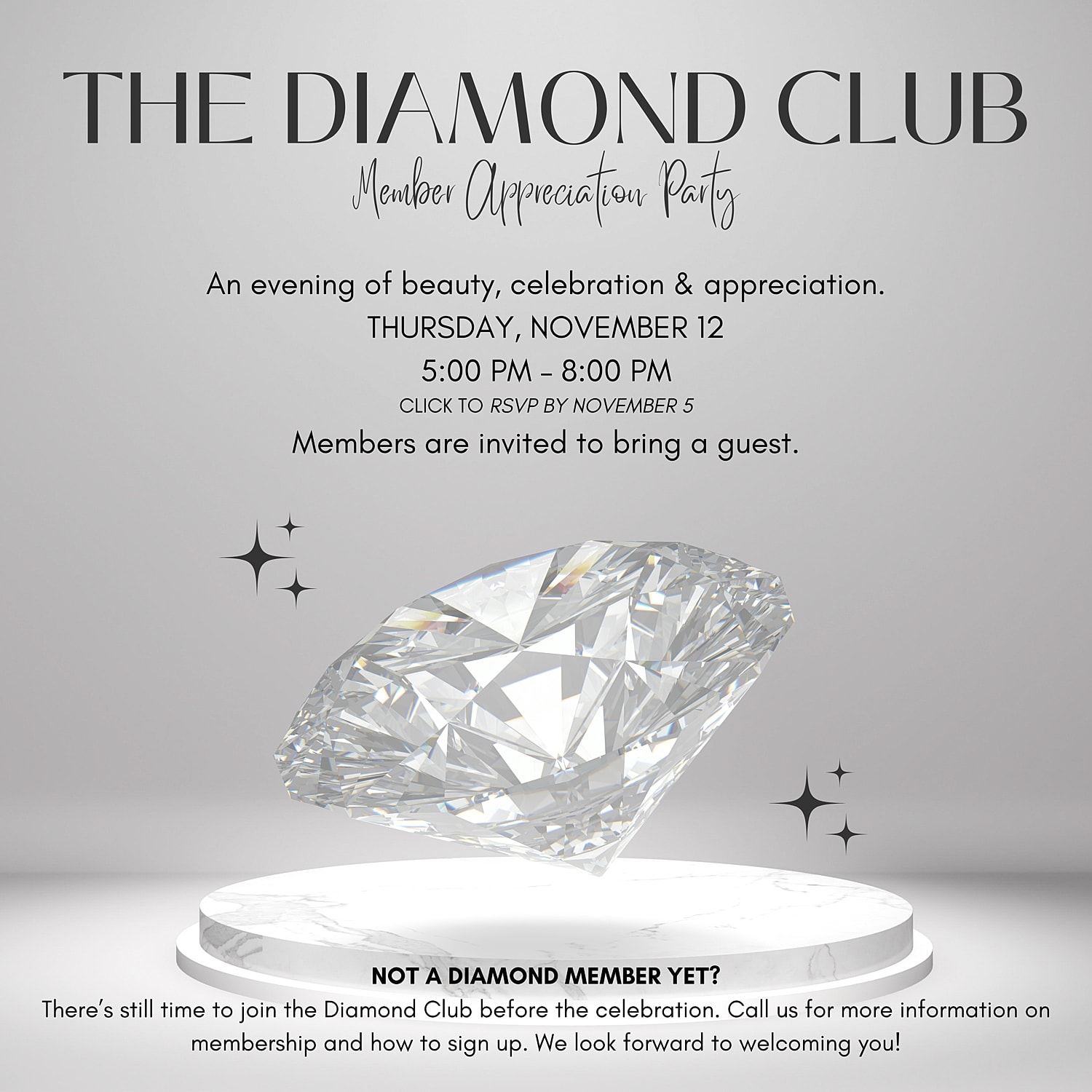
The Diamond Club membership includes one clinical treatment each month (such as a Hydrafacial, chemical peel, or IPL photofacial), plus an exclusive 10% discount on surgical cases and additional medical spa services.
The Essex Society membership provides a personalized approach to longevity, offering comprehensive baseline lab panels, monthly body composition tracking, complimentary wellness injections, and tiered savings on peptide regimens and medspa treatments.


Get in the know. Sign up to receive news and updates.