
Published
7 minute read
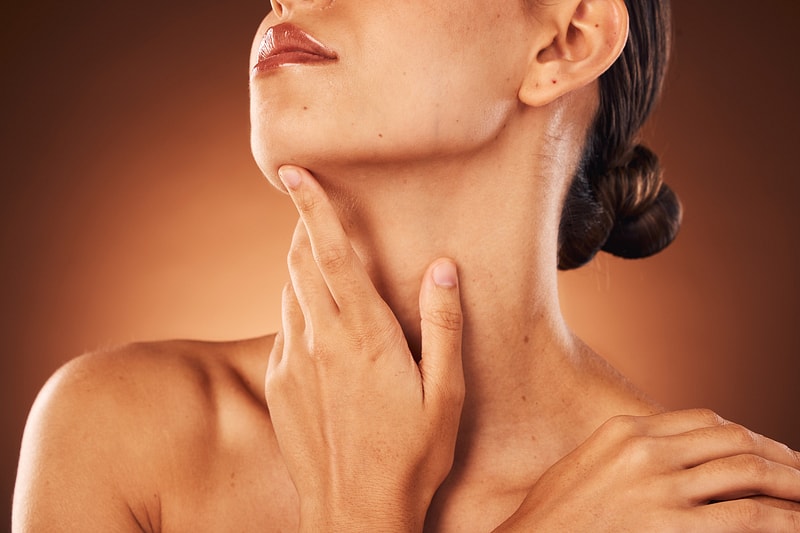
A well-defined neckline is often associated with a youthful appearance, yet the neck is one of the first areas where visible signs of aging can begin to emerge. Loose skin, fine lines, crepey texture, and loss of definition beneath the chin can gradually change the appearance of the lower face and neck.
Commonly referred to as a “turkey neck,” this concern can develop for several reasons, including natural collagen loss, changes in skin elasticity, genetics, and shifts in fat distribution as we age.
The good news? Surgery isn't always the first step. Depending on the underlying cause and degree of skin laxity, certain nonsurgical treatments may help improve the appearance of the neck, restore smoother looking skin, and create a more refined contour.
At Studio Essex MedSpa, understanding the factors contributing to neck aging is an important part of determining which treatment approach may be most appropriate.
The appearance of a turkey neck is not necessarily caused by one thing. In many cases, several age related changes contribute to the loss of definition along the neck and jawline.
Some of the most common contributing factors include:
Loss of Collagen and Elastin
Collagen and elastin are essential proteins that help maintain the skin's firmness, structure, and elasticity. As natural production declines with age, the skin may gradually become thinner, looser, and less resilient.
Skin Laxity
Over time, the skin can lose its ability to maintain a firm, smooth appearance. This may lead to loose or hanging skin beneath the chin and along the neck.
Changes in Fat Distribution
Genetics, aging, and weight fluctuations can influence how fat is distributed beneath the chin and throughout the lower face and neck. Excess fullness in this area may contribute to a less defined jawline.
Platysmal Muscle Changes
The platysma is a thin sheet of muscle that extends across the front of the neck. With age, vertical bands may become more noticeable, contributing to the appearance of an aged or less defined neckline.
Understanding which of these factors is contributing to your concerns is essential because different causes may require different treatment approaches.
For many individuals, nonsurgical treatments can offer meaningful improvements in the appearance of mild to moderate skin laxity.
Modern aesthetic treatments are designed to address concerns such as skin texture, fine lines, and early signs of collagen loss without the incisions or recovery associated with surgery.
Depending on the treatment selected, the goal may be to stimulate collagen production, improve skin quality, or create a firmer looking appearance.
However, it is important to understand that nonsurgical treatments have limitations. They cannot remove significant amounts of excess skin or replicate the structural correction achieved with a surgical neck lift.
The best approach depends on your anatomy, skin quality, degree of laxity, and aesthetic goals.
There are several treatment options that may help address visible signs of aging along the neck. The right choice depends on the specific concern being treated.
Radiofrequency (RF) microneedling combines controlled microneedling with radiofrequency energy delivered into the skin. This approach is designed to stimulate the body's natural collagen and elastin remodeling processes.
For appropriately selected patients, RF microneedling may help improve:
Treatments such as Morpheus8 use this technology to address skin concerns in selected areas of the face and body. When appropriate for the individual, treatment may be considered for the neck as part of a comprehensive rejuvenation plan.
Results develop gradually as the skin undergoes its natural remodeling process. Multiple treatments may be recommended depending on the patient's needs.
As with any energy based procedure, treatment should be performed by a properly qualified provider following an individualized assessment of the patient's anatomy, skin characteristics, and potential risks.
Laser treatments can address certain visible signs of aging by improving skin texture and encouraging collagen remodeling.
Depending on the technology and treatment settings, laser resurfacing may help improve:
Fractional CO2 laser treatments, for example, can be used to resurface selected areas and improve the appearance of sun damaged skin. However, laser resurfacing is not a substitute for removing significant excess skin.
The neck also requires careful treatment planning because its skin can be more delicate than facial skin. A provider can help determine whether laser treatment is appropriate based on individual skin concerns and goals.
In some cases, injectable treatments may complement a neck rejuvenation plan.
For example, neuromodulators may be considered for selected patients with prominent platysmal bands. These treatments temporarily relax targeted muscles and may soften the appearance of certain vertical neck bands.
Injectables do not tighten loose skin or remove excess fat, so they are most appropriate when muscle activity is a contributing factor rather than the primary concern.
An individualized assessment helps determine whether injectables are appropriate and what degree of improvement may realistically be expected.
While nonsurgical treatments can offer meaningful improvements for certain concerns, patients with more advanced skin laxity or excess skin may benefit from exploring surgical options.
A surgical neck lift can address concerns that energy based treatments and injectables cannot fully correct. Depending on the patient's anatomy and surgical plan, this may involve removing excess skin, tightening underlying muscles, and refining the contours of the neck and jawline.
For individuals seeking more significant correction, surgery may provide a more comprehensive and longer lasting improvement than nonsurgical treatments alone.
Neither approach is inherently better than the other. The right choice depends on the individual's anatomy, degree of aging, desired outcome, and willingness to undergo a procedure and recovery.
Understanding the differences between surgical and nonsurgical options allows patients to make informed decisions and select an approach that aligns with their goals.
Professional treatments are only one part of maintaining healthy looking skin. Daily skincare habits can also make a difference over time.
Apply Sunscreen Daily
The neck and décolletage are frequently exposed to the sun but often overlooked during skincare application. Broad spectrum SPF 30 or higher can help protect against UV related skin damage.
Extend Your Skincare Routine
Your neck deserves the same attention as your face. Depending on your skin's tolerance, ingredients such as retinoids, antioxidants, and hydrating products may help support overall skin quality.
Maintain Consistent Skincare Habits
Consistency is key. Protecting the skin from environmental damage and maintaining a routine that supports hydration and skin health can help preserve its appearance over time.
Address Changes Early
Seeking professional guidance when you first begin noticing changes in skin texture or firmness may provide more treatment options than waiting until laxity becomes more advanced.
There is no single treatment that works for everyone when it comes to neck rejuvenation. The most effective approach begins with identifying what is contributing to the appearance of loose skin, fine lines, or loss of definition.
For some patients, nonsurgical treatments may offer a way to improve skin quality and address early signs of aging without surgery. Others may benefit from a more comprehensive approach or a surgical consultation to achieve their desired results.
At Studio Essex MedSpa, we believe aesthetic treatments should be approached with thoughtful planning, realistic expectations, and an understanding of each patient's individual goals.
Whether you are beginning to notice early changes in your neck or exploring ways to improve existing concerns, a personalized consultation can help you better understand your options.
Interested in learning more about nonsurgical skin rejuvenation? Schedule a consultation with Studio Essex MedSpa to explore which treatments may be appropriate for your skin and aesthetic goals.


Get in the know. Sign up to receive news and updates.