Published
5 minute read
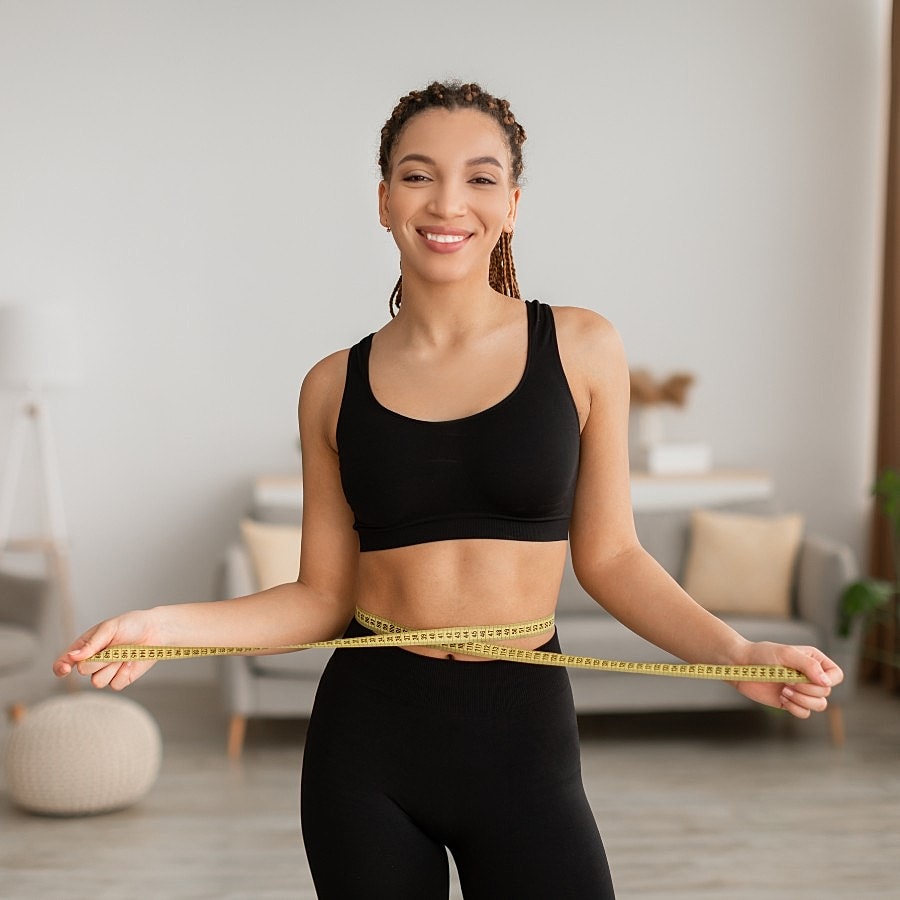
Medications like Ozempic and other GLP-1 weight loss injections have completely changed the conversation around weight loss. More patients than ever are achieving dramatic results in a relatively short amount of time.
But while rapid weight loss can improve overall health and confidence, there is one side effect many people are not prepared for: loose skin. At Heights Plastic Surgery, we are seeing a growing number of patients who have successfully lost weight with Ozempic and similar medications but are now struggling with excess skin, volume loss, and changes in body contour they did not expect.
If you are considering weight loss injections or have already experienced significant weight loss, here is what you should know about loose skin after Ozempic and the options available to address it.
When the body loses weight quickly, the skin does not always have enough time or elasticity to shrink back to its original shape.
Skin stretches over time to accommodate weight gain. After rapid weight loss, especially significant weight loss, that stretched skin may remain.
Several factors can affect how much loose skin develops, including: – How much weight was lost – How quickly the weight was lost – Age and skin elasticity – Genetics – Pregnancy history – Sun exposure and lifestyle habits
Patients who lose larger amounts of weight often notice loose skin around the abdomen, arms, thighs, face, neck, and chest.
One of the biggest trends doctors are discussing right now is something commonly referred to as “Ozempic Face.”
This term describes the hollow or deflated appearance that can happen after rapid facial fat loss. While losing facial fullness may sound appealing at first, too much volume loss can sometimes create: – Sagging skin – More visible wrinkles – A tired appearance – Hollow cheeks – Jowling
The face naturally loses volume with age, and rapid weight loss can accelerate that process.
Many patients are surprised that after finally reaching their goal weight, they may look older or more fatigued than expected.
The most common treatment areas include:
Abdomen
The stomach is one of the most common areas affected after significant weight loss. Patients often notice hanging skin, stretch marks, and weakened abdominal muscles.
Arms
Loose skin on the upper arms, sometimes called “bat wings,” is another frequent concern.
Neck and Jawline
Rapid fat loss can lead to skin laxity around the neck and jawline, reducing definition and contributing to an aged appearance.
Thighs and Lower Body
Inner thighs and outer thighs can develop excess skin after major weight changes.
Breasts and Chest
Weight loss can also reduce volume and create sagging in the breasts or chest area.
Mild skin laxity may improve slightly over time, especially in younger patients with strong skin elasticity. However, moderate to severe loose skin usually does not fully tighten on its own after major weight loss. Exercise can strengthen the muscles underneath the skin, but it cannot remove excess skin itself. This is often the point where patients begin exploring body contouring and skin tightening procedures.
After achieving a stable weight, many patients choose cosmetic procedures to address loose skin and improve body contour.
Common procedures after weight loss include:
Tummy Tuck
A tummy tuck removes excess abdominal skin and tightens weakened muscles for a flatter, firmer appearance.
Arm Lift
An arm lift removes loose skin and reshapes the upper arms.
Thigh Lift
A thigh lift improves contour and removes excess skin from the inner or outer thighs.
Neck Lift and Facial Rejuvenation
Facial procedures can restore definition and address sagging skin caused by facial volume loss.
Breast Lift or Body Contouring
These procedures help reshape areas affected by significant weight fluctuations.
At Heights Plastic Surgery, treatment plans are fully customized based on each patient’s anatomy, goals, and weight loss journey.
One of the most important things patients should know is that timing matters when considering plastic surgery after Ozempic weight loss.
It is generally recommended that patients: – Reach a stable weight – Maintain that weight consistently – Allow the body time to adjust after rapid weight loss
This helps create more predictable surgical results and long-term outcomes. A consultation with a board-certified plastic surgeon can help determine the right timing and treatment plan for your goals.
Loose skin can feel frustrating after working hard to lose weight, but it is important to remember that weight loss itself is still a major accomplishment. Many patients feel healthier, more confident, and more energized after losing weight with Ozempic or other GLP-1 medications. Body contouring procedures are simply the next step for some patients looking to fully align their appearance with how they feel. The goal is not perfection. It is helping patients feel comfortable and confident in their own skin.
If you are experiencing loose skin after Ozempic or medically induced weight loss, Heights Plastic Surgery offers personalized solutions to help restore contour, tighten skin, and refine your results. Whether you are interested in body contouring, facial rejuvenation, or post-weight loss surgery in Houston, our team is here to guide you through your options.
Schedule your consultation today to create a treatment plan tailored to your goals.
Call (346) 321-4429 to book your appointment.
Your weight loss journey deserves results that feel as good as they look.

Get in the know. Sign up to receive news and updates.